by Emma G | Aug 12, 2020 | Behaviour
What is disordered eating?
Is it…?
- not eating breakfast
- having a cheat meal every week.
- fasting
- keto
- obsessing about macros
- binge and restriction cycles
We all choose different ways of eating and it’s a subject that brings up passion and conversation in people. A lot of us like to defend our choices and even preach about them. Eating, food types and behaviours is such an interesting topic, unlike smoking and other behaviours, it’s something we are unable to give up. There are so many posts, opinions, influencers, marketing ploys all attempting to push their way of eating, it can be a confusing mess trying to decipher it all.
Disordered eating can be used to describe unhealthy eating behaviours and concern about body image. It covers a range of irregular eating behaviours that may have not yet developed into a diagnosed eating disorder. People experiencing these behaviours maybe under a significant amount of physical, mental and emotional stress. This is a very serious issue and can progress into a diagnosed eating disorder.
How do you know if you have disordered eating behaviours?
I believe that most of us have some form of disordered eating from time to time, in varying levels and in different ways.
Physical and mental symptoms to look out for in yourself or loved ones
- Dieting
- Substantial weight fluctuations
- Rituals and routines with food and exercise
- Feelings of guilt around eating
- Preoccupation with food, weight, body composition, body image
- Loss of control around food
- Purging behaviours post eating
- Physical signs could be bad breath, dry skin, brittle hair, tooth decay
- Gut issues
- Amenorrhea, F.A.T (female athlete triad) / RED-S (relative energy deficiency in sport)
Having had, and still having a turbulent relationship with food, I would say that dieting is a disordered eating behaviour. Dieting can encourage the restrict and binge cycles. I ask my clients to try and find a way of eating for life, not for 8 or 12 weeks. If you are doing something you can’t maintain long term, then that’s a diet. Ask yourself, is your current way of eating serving you? Can you continue to adhere long term? How about instead thinking of permanent wee changes you can make to your eating behaviours for the long term?
Disordered eating is a serious issue, once behaviours become classified as an eating disorder, then we class the illness as psychological. Be aware that your disordered eating behaviours may jump in and out of various eating disorders even if you don’t exhibit the exact criteria for diagnosis.
Eating Disorders
- Bulimia nervosa – eating excessive amounts and purging in some way post eating
- Anorexia nervosa – restricting food intake
- Binge Eating Disorder (B.E.D) – excessive compulsive food consumption
- Avoidant Restrictive Food Intake Disorder (ARFID) – person avoids a certain type of food(s) completely
- Other specified feeding and eating disorder (OSFED) – behaviours overlap and jump in and out of the above
If the above is resonating with you in regard to yourself or others, then there are many tools to help.
Throughout my recovery I found that you need a team of people supporting you, encouraging you and nurturing you to help you through this, I believe you can’t do this alone.
If you would like some guidance with tools or where to start on your path to recovery, then please get in touch with me.
hello@emmagtotalhealth.co.nz
027 431 5920
by Emma G | Jun 22, 2020 | Ageing, General Health, Movement
Walking is such a great first step, he he, in improving your health. It’s convenient, you can do it from anywhere, you don’t need any specific gear or clothing and you have the available tools to start now. Walking is a natural activity, it’s a sustained aerobic exercise that is common for all of us, excluding those who are disabled or extremely frail.
The great thing about walking is you are completely in charge of the intensity, duration and frequency. “It is a year-round, readily repeatable, habit-forming activity and the main option for increasing physical activity in sedentary populations.”*
In today’s World where physical inactivity levels are rising, walking could be the solution to getting you on your feet. Unlike a lot of physical activity, there is little, if any, decline in middle age, so again its available for most of us. It is available to us all year round. It has the added benefits of increasing a person’s independence and social well-being. When I’m out walking, I smile at people I pass, stroke various dogs and look around taking note of my environment. Even though it can be a solitary activity you can still feel part of a community when walking. On other occasions I will be earphones in and listening to a podcast, this makes for great me time.
Did you know that there are indications that walking increases bone related strength? Walking is weight-bearing, it keeps the leg and trunk muscles strong and their joints flexible. Getting up, moving about and changing positions during the day helps your body stay healthy, your body likes variety, it doesn’t like being stuck in a chair all day.
Walking at low or moderate intensities is associated with cardiovascular benefits, it may help improve cholesterol profile, help control hypertension (high blood pressure) and as mentioned above, slow the process of osteoporosis by strengthening your bones. If you stick to a brisk pace it will provide enough cardiovascular training for most adults, think sweaty and heavy breathing.
Walking can help with weight loss and maintenance in a low impact way. Not all of us are built for running or high intensity exercise.
Getting outside and on your feet will help with vitamin D absorption from the sun, in winter in New Zealand I guarantee that most of us are walking around vitamin D deficient as we are not able to absorb enough from the sun.
I find going for a walk brings me a lot of inner peace, if I’m feeling troubled or a bit anxious, I get out for a walk and aim to stay present in my surroundings. I look for flowers and interesting buildings, I get out of my head and appreciate my community.
Walking helps improve your mood, eases anxiety and reduces social withdrawal. When I’ve been in my depression bouts, getting up and getting my shoes on to go for a walk, even though that was hard to do sometimes, really helped. During Covid walking really helped me, I got to find new places locally and even got lost in Westmere once.
Several clients mention that during the week they don’t have time to leave the office for a wee walk. While I understand, I do always think that you do have the time and if you put the boundaries in place people will respect them, though that’s a different topic. A good excuse for doing it is that walking promotes creative thinking. If you are stuck on something and sitting at your work desk, get up, get outside, move your body and I’m sure you will move towards the solution once you return to your desk.
All the different fitness trackers can be really motivating for some people. I always suggest getting a couple of weeks data before setting yourself targets, then increasing incrementally; keeping goals just a wee further out from your comfort zone.
Humans are made to move, most of us need to move more, and I’m talking move not exercise hard out. You can try and fit it into your day by walking to work or by trying to increase daily steps, so that it doesn’t become another thing you have to do at the end of each day.
Get yourself a walking buddy, dog, comfy shoes, clothes, a water bottle and you’re ready to go. Dress for the weather and start small. I’m going to say it, one step at a time team. Starting is the key… start today.
*Morris, J.N., Hardman, A.E. Walking to Health. Sports Med 23, 306–332 (1997). https://doi.org/10.2165/00007256-199723050-00004
Rippe JM, Ward A, Porcari JP, Freedson PS. Walking for Health and Fitness. JAMA.1988;259(18):2720–2724. doi:10.1001/jama.1988.03720180046031
by Emma G | May 6, 2020 | General Health
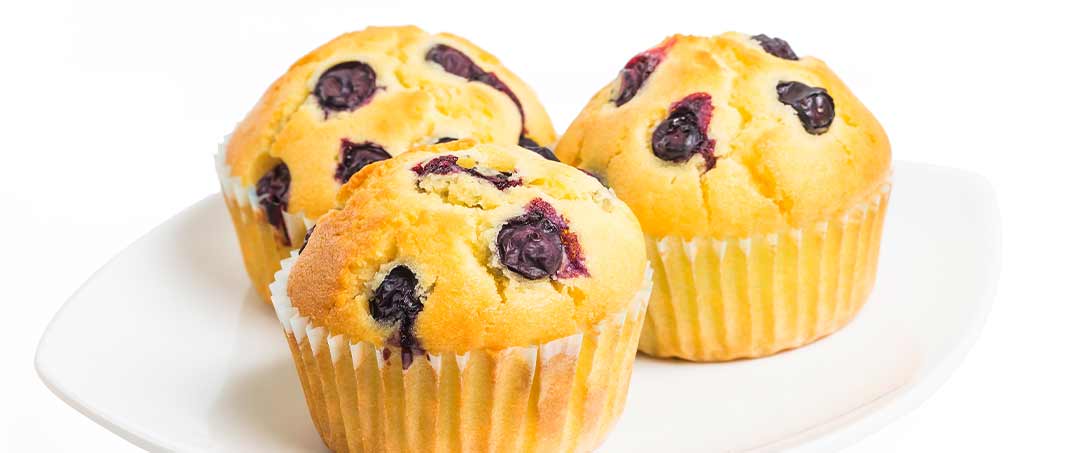
It’s only a muffin so eat it if you want it right? I’ve been talking about eating behaviour’s a lot this week and been dealing with my own craziness around the topic ?
Food to a lot of us is a security blanket, it’s how we make ourselves feel good and can give us a moment of comfort. We are in odd and stressful times so if a muffin gives you a bit of comfort then eat the muffin.
Lockdown and isolation are hard for all of us, those of us who struggle or have struggled with disordered eating behaviours are finding it quite difficult. At home 24/7 with food, which we may have stockpiled to avoid repeated trips out. We are stressed, possibly alone or stuck with a heap of people we haven’t chosen and anxious, which is a recipe ? for these behaviours to be prevalent.
Now is a time to aim to go easy on yourself and be kind. It’s okay if certain behaviours have creeped back in. Disordered eating initially can make you feel good, happy and safe so if it’s ticking these boxes then try and accept that. We know that over time these behaviours are not ideal, though right now they may be serving their purpose. Disordered eating and eating disorders are a coping mechanism, yes there are better ones, though in this moment if they are looking after you in a way, then acceptance may be the way to go.
Be conscious around your behaviours, observe yourself and reflect. Being aware of why you are behaving in a certain way is a starting point to making changes and improving, implementing or eliminating said behaviours at an appropriate time. Now maybe not the right time for most people. Change takes energy and brain space; do you have any spare to make changes right now?
Other ways we can show ourselves some self care
- Include things in your day that you enjoy, I know this sounds obvious, though its often overlooked.
- Self-massage
- Listening to music or podcasts and watching programmes
- Yoga
- Have a bath
- Getting outside in nature, in bush or at the beach if these are available to you at present
- Take some time for yourself
- Try and think about the present and be in the now
- Aim to not compare or consume “media” that causes negative thoughts and feelings. Delete, unfollow, unsubscribe
- Move your body in a way that feels good to you each and every day
My message is to try observe yourself and your behaviours. Accept them and reflect on them, try and understand why you behave in a certain way. With this information you can look into ways to reduce, eliminate or change, remembering it’s a process and it takes time team.
Be (try) kind to yourselves ?
by Emma G | Sep 20, 2019 | Clients
This years survey results are in, I like to send out a yearly survey to my clients as all feedback is good feedback and I am constantly striving to improve what I do so I can support more people.
Everyone who received a survey request completed the survey which is fantastic.
- 81% of people would recommend me with the other 19% being passive
- 100% people very satisfied or satisfied
- People describe me as reliable, high quality and useful.
Key quotes from the team
“Keep doing what you are doing!”
“Very personalised, takes time to get to know you. Lots of encouragement and sessions tailored to you individually.”
“Emma supports you step by step and this is much appreciated.”
“Supports older adult’s fitness”
“Tailored workout program, goal setting each week for eating or movement, Emma checks in with you before the session to make sure you have no areas of concern (anything painful) before embarking on your exercise, checks on energy levels and how you are.”
“makes you feel good about yourself even on shitty days when you don’t meet your goal”
Thanks everyone for taking the time to complete, means a lot to me, all your feedback is greatly appreciated.
by Emma G | Feb 18, 2019 | General Health
Does the word make you roll your eyes or do you have a current practise? There are different ways you can meditate, experiment and see what works for you. Even if it’s simply sitting somewhere quiet and focusing on your breathing. No hippy pants required I promise.
Meditation can reduce (negative) stress, improve sleep, improve relationships and increase focus.
“The quality of the breath is not only related to the length of our lives, but is intimately connected to the mental and emotional states as can be seen by how the breath changes with different states of mind.”
Swami Karma Karuna
Tools
Headspace – both free and subscription resources
Buddhify – subscription resources
1 Giant Mind – both free and subscription resources
Calm – both free and subscription resources
There is an abundance of You Tube channels for guided and unguided meditations.
Check out local mindfulness/meditation classes in your area, there will be several to choose from.
“If you are quiet enough, you will hear the flow of the universe. You will feel its rhythm. Go with this flow. Happiness lies ahead. Meditation is key.”
Buddha
Lying down somewhere and focusing on doing a set of 10 diaphragmatic (abdominal/belly) breaths is a good way to start looking at how you breathe. This type of breathing also slows the heartbeat and can lower/stabilise blood pressure.
One tool I use is my acupressure mat and pillow, focusing on my breathing with my hand on my tummy. I also like lying on my bed with my feet up against the wall focusing on my breath and trying not to attach myself to the many thoughts that whirl through my mind.
Meditation for you could be walking the dogs and remaining totally present, watching a sunset or listening to your favourite music. You can do it anytime of the day, start with as little as 3 mins and then increase from there. Think of it as a time out to focus on your breath and be present.
Its totally okay to take this time for yourself, happy meditating team!
by Emma G | Feb 18, 2019 | Ageing
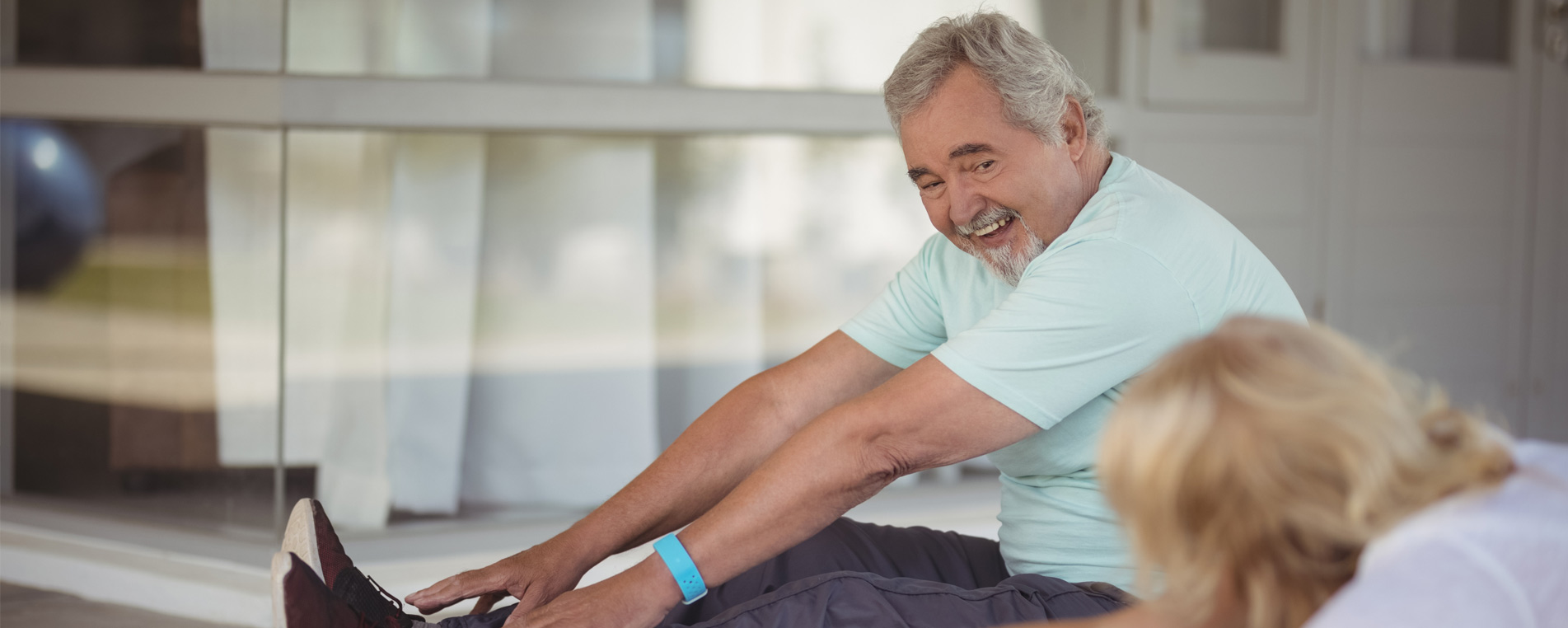
An inevitable part of life, though one we can manage and aim to move through with strength, mobility and quality health.
Nutrition
The 80/20 rule is a sensible way of looking at the way you eat. Consume highly nutritious foods 80% of the time and those less nutritious foods that you love 20% of the time. There is really no need to go on crazy diets, aim to eat moderately and include a little bit of indulgence along the way. Find what works for you.
Say if you have 3 meals and 2 snacks every day, that would leave 7 of the eating choices, a mix of snacks and meals, for that week for foods that you enjoy though aren’t quite as nutritious. Not bad right?
Movement
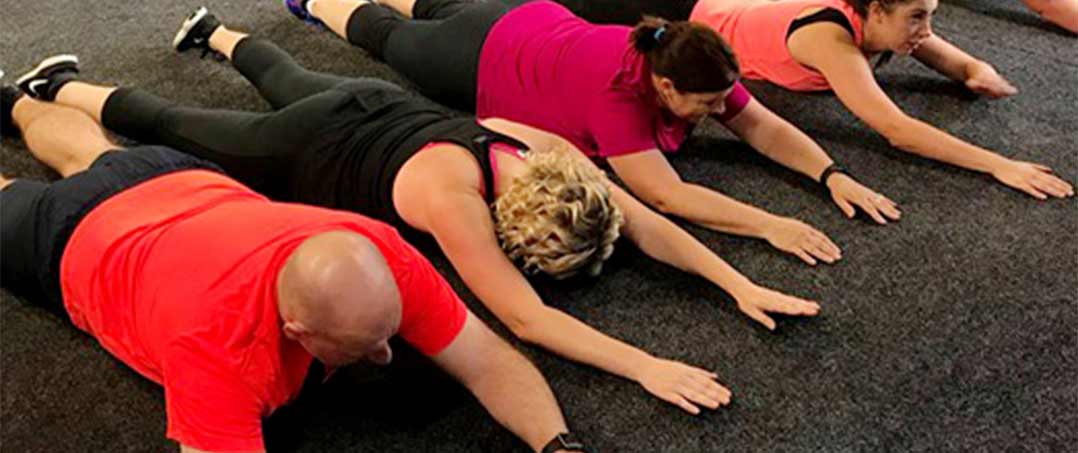
There are so many benefits of movement, it lowers risk of many diseases, alleviates depression/anxiety and slows down ageing. Movement connects you with others, it’s fun, energises us, improves posture and increases confidence. Aim to try new exercises, set new challenges and find ways you like to move.
Play and laugh
Have fun, laugh, be silly, climb trees, roll in the grass, whatever activity that makes you feel good. Many activities that make us laugh are connected with moving our body. A positive outlook on life comes with a plethora of health benefits.
“We don’t stop playing because we grow old; we grow old because we stop playing.”
Stuart Brown, MD
Sleep
Achieving sleep is not easy for all of us, though aim to prioritise your sleep where you can. If it proves too much of a challenge to get enough sleep at night, you could try micro naps or “meditation” throughout the day. Meditation comes in many forms, so find what works for you.
“Sleep is the single most effective thing we can do to reset our brain and body health each day — Mother Nature’s best effort yet at contra-death.”
Matthew Walker, Why We Sleep
Move, laugh, eat and sleep! Doesn’t sound too challenging when put like that!
by Emma G | Feb 13, 2019 | Clients
91% would recommend services to a friend or colleague
83% were very satisfied with services, everyone else was satisfied
The buzz words that were used when asked to describe Total Health services were reliable, high quality, useful, unique and value for money.
Services met everyone’s needs to either extremely well or to a very well standard.
Everyone rated service quality as very high or high with Emma’s responsiveness to questions/concerns as extremely responsive. I pride myself in being available for my clients throughout the week, I make this clear that my services go beyond actual session time.
I was overwhelmed with the results, surveying is a business tool I have been using since I started and it’s a simple way to track client engagement.
Some additional loveliness that was left for me in the survey.
“Variety is a big plus for me in terms of the exercises we do. Love the total approach and focus on the person’s issues/weakness’, correct form and easy going manner.”
“Your level of genuine concern and respect toward my body and mind has been amazing. I have felt pushed but not stressed so thank you.”
“The best thing I have ever done for my overall health was booking my first session with Emma two and a half years ago.”
“Great service all around. Keep doing what you are doing.”
A massive thanks to all my clients past and present, if you would like to discuss your specific health requirements please get in touch.

by Emma G | Apr 1, 2015 | Nutrition
“Fat from food does not equal body fat”
Fat protects our inner organs and allows oestrogen to function properly, which regulates menstrual cycles, protects fertility and also preserves our bones as we age. Fatty acids are necessary for our immune system.
Dietary fats
- It is an energy source – it’s the most energy dense macronutrient
- It helps manufacture and balance hormones
- It forms our cell membranes
- It forms our brains and nervous systems
- It helps transport the fat-soluble vitamins A, D, E and K
- It provides two essential fatty acids that the body can’t make, omega-6 and omega-3
A fat deficiency could cause cognitive development issues, vision impairment, skin problems, depression or other negative feelings.
Trans fats are the main problem, also known as hydrogenated oils, we find these in snack type foods, they can cause many negative health issues and have no nutritional value.
Saturated fats are not all bad, some may even be good for us while others have a neutral effect. Research shows that some saturated fats can balance cholesterol levels and lower inflammation. Stick with good quality grass-fed beef, chicken, eggs, dairy and dark chocolate.
Unsaturated fats (healthiest fats) can be broken down into Omega 3 fatty acids found in salmon, mackerel and walnuts, are an excellent natural anti inflammatory, assist with menstrual pains and balance out omega 6 fatty acids. Some research suggests that Omega 6 fatty acids may cause some inflammation. Omega 6 fatty acids are found in sunflower oil and soybean oil.
Aim for about 30% of daily food intake being made up from quality fats.
Examples of quality fats
- olive oil
- rice bran oil
- nut butters/oils
- avocado/oils
- fish/oils
- nuts and seeds
- coconut
- egg yolks
Any food group eaten to excess, be it carbs, proteins and/or fats can lead to weight gain and its many complications.
Check out the back of food labels for more information. You don’t need to count everything obsessively, however take an interest and be aware of what you are consuming. Choose foods with a lower saturated fat levels.
**Data taken from 3 sources Dr Stacy Sims Roar, Precision Nutrition and Healthline. I personally have no experience with Ketogenic diets so have left this out of the information. I am not a nutritionist, I’m sharing the information of others and from my own personal experience.
by Emma G | Apr 1, 2015 | Womens Health
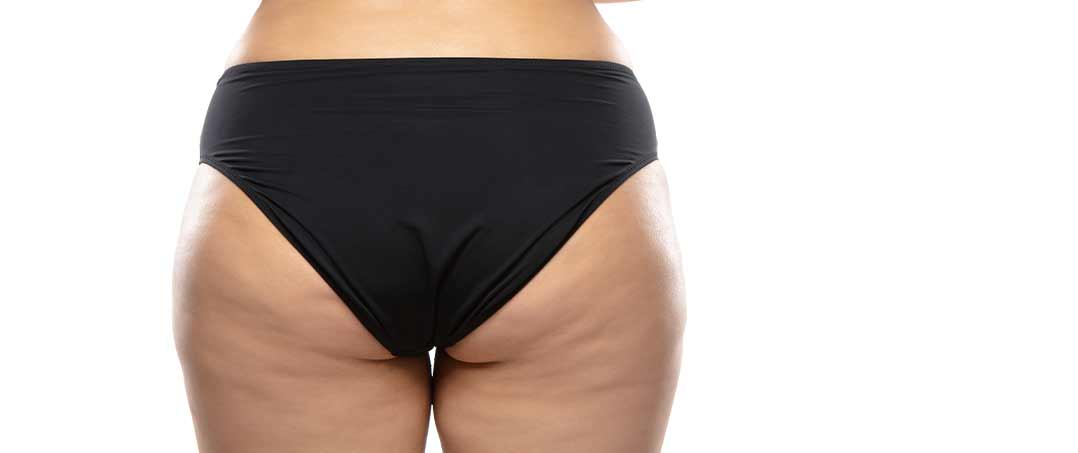
Several of my female clients ask me about cellulite so I have done some research and put together some information for you. Most women post puberty have some degree of cellulite, it affects 90% of women and 10% of men, it is totally NORMAL. Lifestyle factors, hormones, genetics, race and body shape all contribute towards the chances of having it.
If you do have cellulite you can’t get rid of it completely (sorry ladies), however you may
be able to reduce its appearance with lifestyle tweaks.
Cellulite consists of several changes within your skin, coupled with circulation issues and changes within the fat cells themselves. For women once we hit puberty, our bodies are very responsive to our hormones. So blame our hormones! Estrogen, insulin and prolactin all play their part in the development of cellulite.
It’s the image and feel of cellulite which causes ladies distress.

What can we do to reduce cellulite?
If you sit down all day you need to move about more and increase circulation, as areas prone to cellulite already have decreased blood flow. Get moving team, I’m not only talking exercise I’m talking movement. Cleaning, gardening, walking, cycling, playing with your kids, cooking; all of these activities count as movement. Fill your day with movement. We want to “decrease your body’s insulin levels and make your muscle cells more receptive to burning up carbs and fats for energy.” As well as daily movement we want a mix of cardio and full body strength training.
And the next one, you guessed it, is dietary tweaks. A good start is to minimise toxins from what we consume. Think sugar/simple carbs, booze, cigarettes, caffeine, high sodium foods and nasty fats. We are looking for a diet consisting of quality carbohydrates (grains, starchy veg and all the veg). protein sources, quality fats and legumes. We are looking for a colourful diet to provide you with all the antioxidants, vitamins and minerals your body loves. Hydrate yourself with mostly water.
Massage and dry brushing may also be beneficial to reduce its appearance. There are also various beauty treatments available, but their results are questionable, they may improve cellulite for a short time.
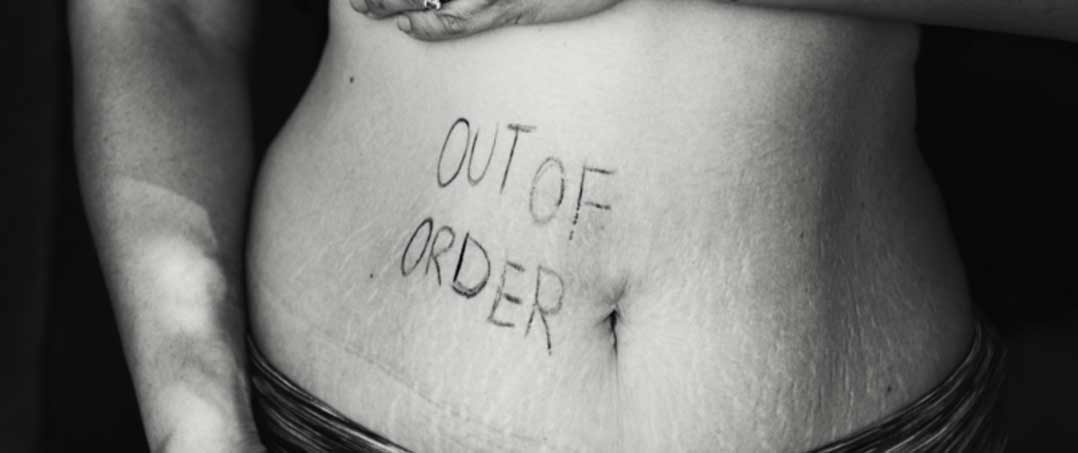
I was listening to a podcast the other day, from which I took the message that as women and men, we need to love and appreciate our bodies at every stage of our lives, that each new decade brings challenges, and allows us a new opportunity to embrace our bodies. Acceptance and pride will help you on this journey, really try hard to focus on all your many positives. I’ve been working hard at this, it’s not easy, however its vital for a life free of constant self-criticism, of over exercising and disordered eating.
While you may be able to reduce your cellulite you can’t get rid of it so its time to embrace it ladies and let it go. Focus that wasted energy on something awesome.
by Emma G | Apr 1, 2015 | Gut Health
I have been reading up on gut health and experimenting with products. I am working with a client with a plethora of gut problems too, I’m picking up knowledge from their situation.
I have recently finished reading the text Dr.Jensen’s Guide to Better Bowel Care, a fascinating read. Dr Jensen started at as a chiropractor and became increasingly dissatisfied. He became aware that his clients needed more than spinal adjustments, that they needed adjustments in their ways of living. He opened a sanitarium and began to help people find the path to true health.
He found that people in the West suffer from far too many gastrointestinal (GI) problems. He truly believes that all disease stems from our gut health. I am no expert however his findings make a lot of sense to me
” The body is an organisation. It digests food, processes oxygen, and undertakes numerous other activities. Every organ contributes something to the body and its activities. As human beings, we need every cell, tissue, and organ that was put into our body. The body is the instrument through which we live, and we should treat it with respect. We cannot take our body, so wonderfully put together, and expect it to function properly if we violate all the natural laws that are necessary for it to be well. ”
Dr Jensen has dietary laws that he believes everyone should follow, these are his beliefs.
- Opt for natural, whole and pure foods. Whole foods build a whole body.
- Eat foods in correct proportions, heavy on the veggies.
- Have an 80/20 split of alkaline (fruit/veg) and acidic foods. (starches/proteins)
- Our body needs variety.
- Eat 60% raw foods.
- Nature can cure us, if we feed our body adequate nutrients.
- Eat in moderation .
- Avoid nutrient deficiency (disease) by eating enough whole foods.
- Be aware of negative food combinations.
As we know what we consume has a positive or negative impact on our body and our health.
This week I would like you to focus in on one area of your nutrition that you could improve. Pick one thing and focus on that. It could be drinking more water, reducing caffeine, adding in a vegetable serve, using less salt, eating 1 less take aways. It really doesn’t have to be difficult, start with little steps and build from those.
If you are suffering with preexisting gut issues then seek out help from a doctor and/or a nutritionist/dietician.
**Dr Jensen’s Guide to better Bowel Care, I am not a nutritionist/dietician, I’m sharing the information of Dr Bernard Jensen and my own opinions.